Analysis
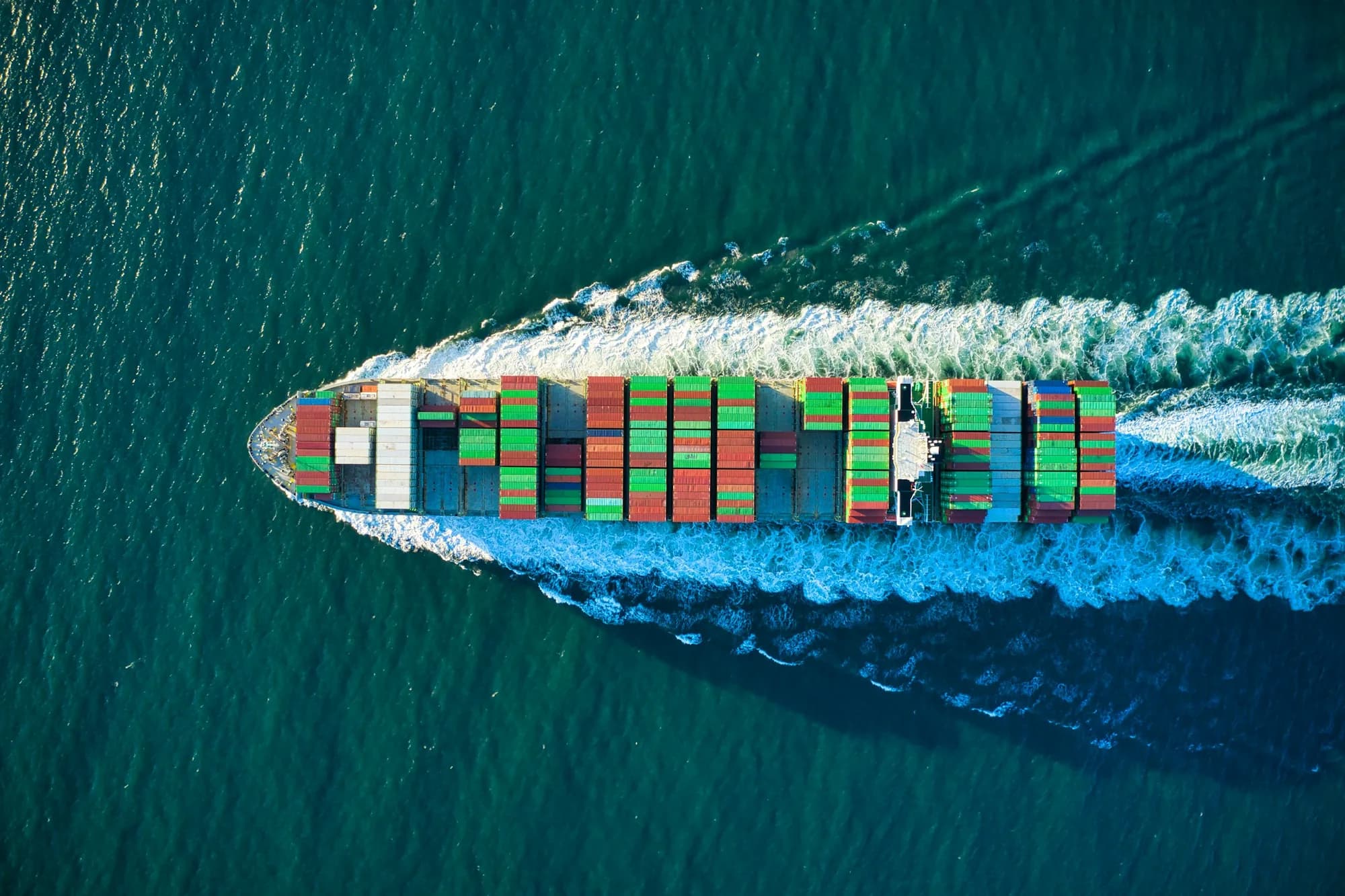
Two senior Trump administration officials have told Reuters that China’s state-owned shipping company COSCO uses concealed equipment aboard its ships to spy on military communications near the coastlines of target nations, including the United States.
The officials, who spoke on condition of anonymity, described a decades-long intelligence-collection partnership between the company and Beijing. The arrangement, they said, allows China to collect communication signals from vessels and aircraft operating across Europe, North America and Asia. They declined to describe the equipment in detail but said it consisted of sophisticated signals intelligence collection platforms rather than routine communications hardware. One official said the systems were intended to gather information about military communications technologies and encryption developments, and that Beijing also uses the effort to monitor shipping lanes and to provide maritime reconnaissance and early warning indications of foreign military targets.
China’s embassy in Washington rejected the account. A spokesperson told Reuters the Chinese government would never ask a company or an individual to collect data or intelligence abroad in breach of local law, and called the intelligence collection narrative baseless.
The report, published 1 September 2026, follows earlier official findings in the same direction. The Pentagon added COSCO to its list of companies linked to China’s military in January 2025. A United States Naval War College report published in April 2025 assessed that the People’s Liberation Army was likely making use of China’s fishing and commercial shipping fleets for intelligence and surveillance.
The allegations are unverified, rest on unnamed sources, and are denied by the government they concern. They nonetheless describe a category of vessel that a decision now moving forward in Western Australia would bring alongside an American submarine base.
The port and the base
Westport is the Western Australian government’s AUD $7.2 billion plan to relocate the state’s container terminal from Fremantle to Kwinana, about 20 kilometres due south, and rebuild it as an automated container port.
The new terminal would sit on the eastern shore of Cockburn Sound. On the western shore, roughly six kilometres across the water and under four miles from the terminal site, is HMAS Stirling on Garden Island, the base where United States and United Kingdom nuclear submarines are scheduled to begin rotations in 2027 under Submarine Rotational Force West. To the north, at Henderson, the Australian government is developing the precinct where those submarines will be maintained, backed by an initial commitment of A$12 billion and a site boundary confirmed in August 2026.
Westport does not add a container terminal to Western Australia. It relocates the one the state already has. The shipping lines calling at Fremantle for containers today would call at Kwinana instead.
Australia has fifteen Australian-flagged commercial vessels over 2,000 tons. Virtually every ship transiting Cockburn Sound alongside the submarines would be foreign-flagged.
One entrance, two routes
An August 2025 assessment by Air Vice-Marshal John Blackburn AO RAAF (Retd) and Commodore Vince Di Pietro AM CSC RAN (Retd) set out the navigational picture.
Cockburn Sound has a single navigable entrance at its northern end through Gage Roads. Every submarine movement and every commercial movement passes through it. Inside the sound, the route submarines take between HMAS Stirling and the maintenance facility at Henderson crosses the shipping channel that would serve the new terminal. Traffic through that water is projected to more than double.
Widening the entrance does not resolve the crossing, and neither does a second channel, because the conflict is produced by the location of the terminal rather than the approach to it.
The other side of the argument
The Western Australian government has rejected the security framing. The state Premier dismissed the concerns raised about the project’s proximity to an AUKUS base, saying the member who raised them was wrong. The two retired officers who set out the navigational picture note that no published analysis accompanied that dismissal, and the public record still contains no risk assessment of the relocation carried out after AUKUS existed. Those points are answered at greater length on What They Say.
The federal position has been consistent as well. Announcing the Henderson site in August 2026, Prime Minister Anthony Albanese said AUKUS was full steam ahead, and the Commonwealth has framed the Western Australian investments as evidence the program is delivering.
Neither response addresses the specific question the Reuters report raises, which is not whether AUKUS is proceeding but what kind of commercial traffic the United States is willing to accept alongside its submarines.
The bottom line
The Reuters allegations are unverified, denied, and describe no vessel that has ever been in Cockburn Sound, but the decision facing Western Australia does not rest on them. The sound has one navigable entrance, the submarine transit route and the commercial shipping channel cross, traffic through that water is projected to more than double, and almost none of it would be Australian-flagged. Westport would place an automated container terminal under four miles from the base America’s submarines will operate from, and directly across the route they will take to reach maintenance at Henderson. What the Reuters report adds is the United States government’s own view of what a foreign commercial ship can be, and that view now applies to the water Westport would fill with them.
Take action
Westport would put American submarines, American spending and American industrial commitments alongside a foreign container terminal under four miles away. Call your representative and your senators and tell them to keep commercial ports clear of the base. Visit Take Action for everything you need to make that call.
Share this page
Help this reach more people who can act on it.